This 'fire amoeba' pushes the limit of what's possible for complex life
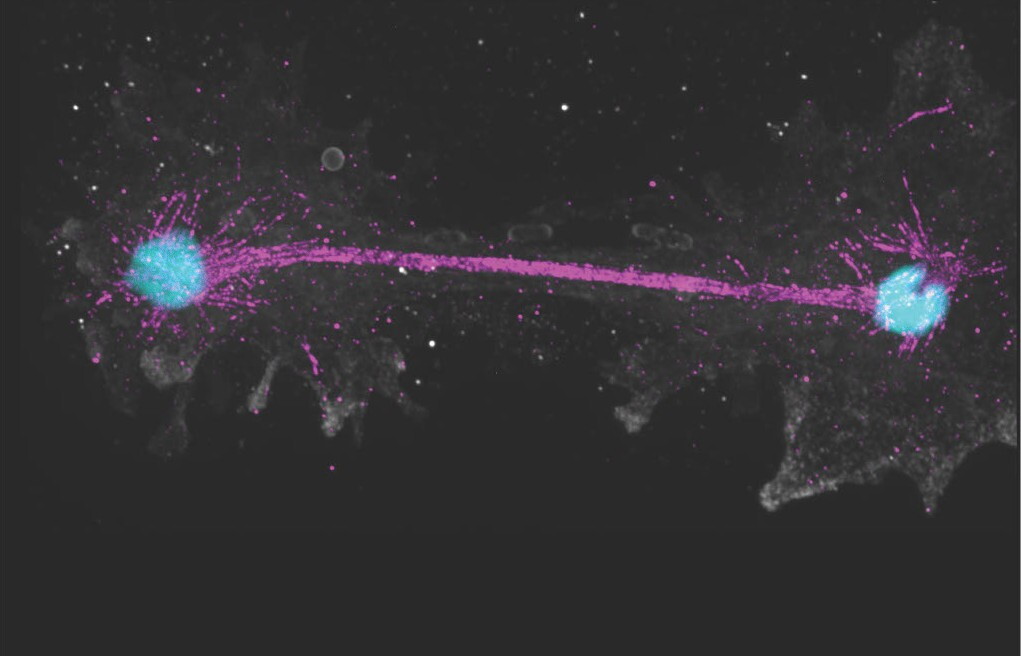
Scientists have found a species they've named the fire amoeba, which is capable of reproducing at 145°F and continuing to move up to temperatures of 147°F — a record for complex eukaryotic life.
Tags
Related Stories

More controls possible as reservoir level drops
More water usage restrictions may be introduced as Wimbleball reservoir drops to just 18% full.
BBC Science & Environment

Tests carried out on seabirds after nurdle spill
Necropsies are being carried out on seabirds to find out the effects of microplastic pollutants.
BBC Science & Environment

The origin of the chew: When did we learn to eat like this?
It's likely you've already chewed and swallowed some tasty morsel today. But when did that ability emerge? New evidence points to at least the middle Jurassic, back when dinosaurs still reigned.
NPR Science
Gut microbes followed migrating humans across continents, new study suggests
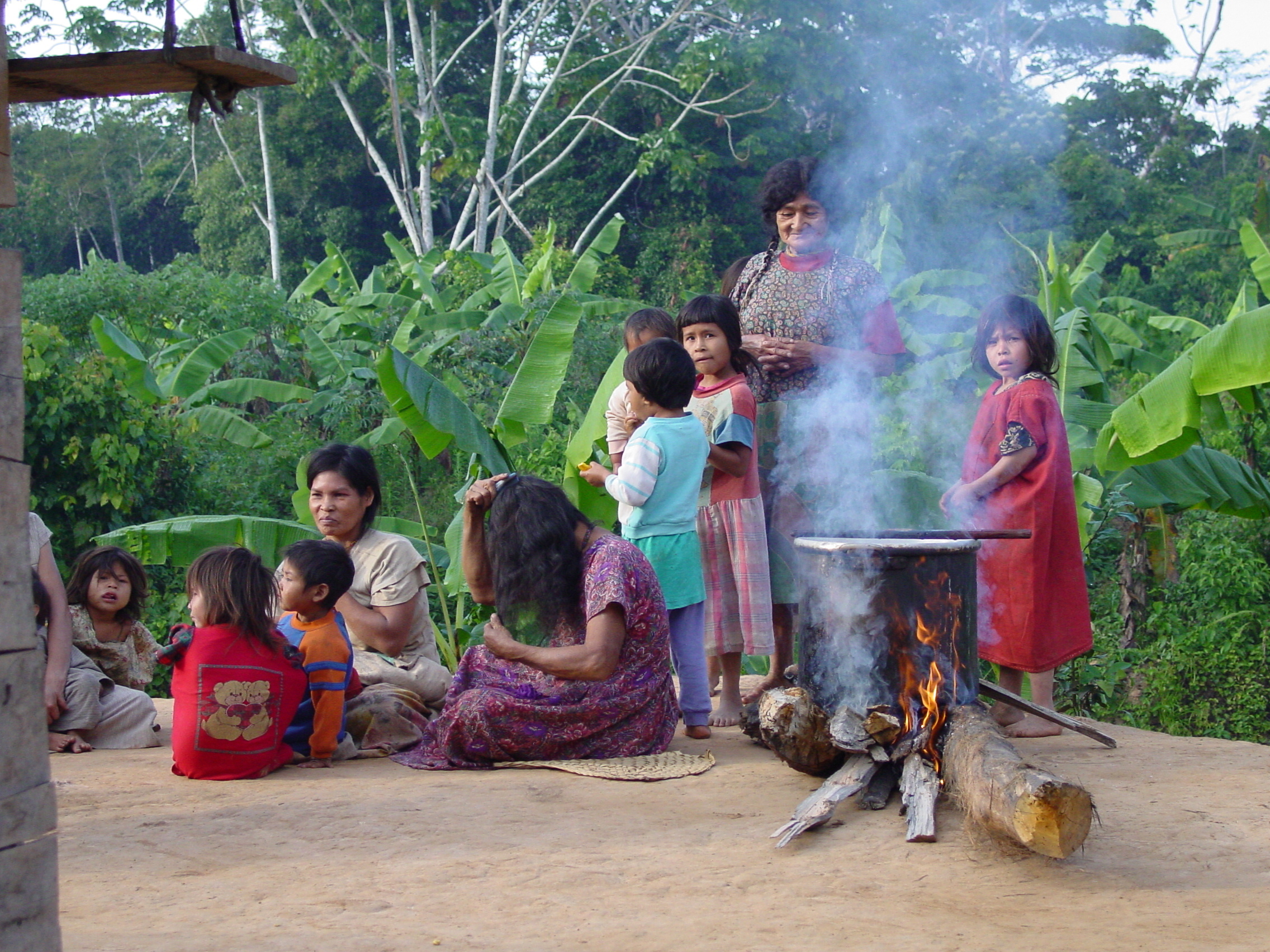
New research looks at the surprising similarities in the gut microbiomes of hunter-gathers in Tanzania and horticulturalists in Bolivia, and asks: What role do these bacteria play in human health?
NPR World

Warm ocean waters may have led to first known sea turtle nesting in California
NPR's Ailsa Chang talks with marine ecologist Jeff Seminoff about the first known natural sea turtle nesting on California's shores.
NPR Science